-
Get a Solution For
Valves IndustriesPlug valves are valves with cylindrical or conically tapered "plugs" which can be rotated inside the valve body to control flow through the valve. -
Manufacturers & Exporters Of Precision Indistrial Valves
Ball Valve / Butterfly / Plug / Check (Wafer NRV / Flapper NRV ) / 'Y' Type Flush Bottom Tank Valve etc.
- +022-25080067

- Established In
- 1984
- Great Industrial
- Product Provider
Our Products
Manufacturers & Exporters Of Precision Indistrial Valves
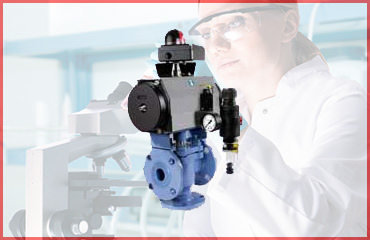
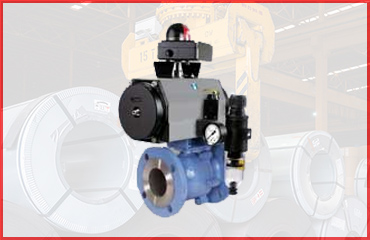
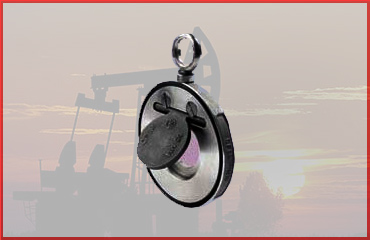
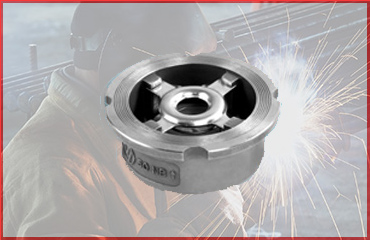
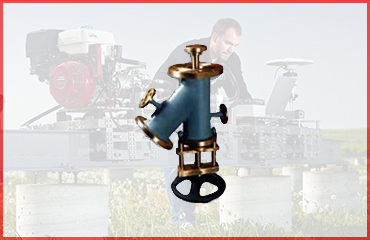
One Stop Quality Valve Procuring Point. We Modify Design Of Out Products For Specialized Job Or As Per The Need Of Customer.

About Us
Plug valves are valves with cylindrical or conically tapered "plugs" which can be rotated inside the valve body to control flow through the valve. the plugs in plug valves have one or more hollow passageways going sideways through the plug. Plug valves are simple and often economical.
When the plug is conically-tapered, the stem / handle is typically attached to the larger diameter end of the plug. Plug valve usually do not have bonnets but often have the end of the plug with the handle exposed or mostly exposed to the outside. The stem and handle often come in one piece, often a simple, approximately L shaped handle attached to the end of the plug. The other end of the plug is often exposed to the outside of the valve too, but with a mechanism which retains the plug in the body.